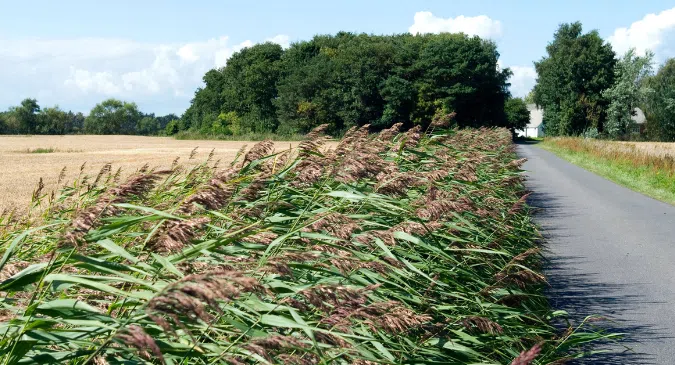
The Ontario Phragmites Action program has launched the 2026-2027 Invasive Phragmites Control Fund, offering financial support to municipalities, conservation authorities, Indigenous communities, and incorporated not-for-profit organizations to tackle Phragmites australis, one of Ontario’s most aggressive invasive plants.
Known as the European common reed, Phragmites forms dense monocultures that reduce biodiversity, create road safety and fire hazards, and cost the province millions annually.
Since 2019, the Fund has supported 131 projects across Ontario, helping communities monitor, map, and manage Phragmites on a local and landscape scale. Funding ranges from $2,500 to $25,000, with exceptional multi-partner initiatives eligible for up to $50,000. Priorities include mapping, monitoring, control implementation, innovative management strategies, and addressing pathways of introduction and spread.
Colin Cassin, Executive Director of the Invasive Species Centre, says the Fund provides critical resources to reduce economic impacts and preserve biodiversity. Brett Norman, Director of Habitat Restoration at the Nature Conservancy of Canada, adds that the program empowers communities to turn individual efforts into coordinated, large-scale solutions that safeguard ecosystems, create jobs, and strengthen resilience.
Groups interested in applying are encouraged to visit www.ontariophragmitesaction.ca for eligibility details, application forms, and additional guidance. Local champions working on the frontlines to remove Phragmites from wetlands, shorelines, and roadways remain a key component of the province’s strategy to protect biodiversity and promote healthier ecosystems.
The Invasive Phragmites Control Fund represents a province-wide effort to manage one of Ontario’s most challenging invasive species, helping communities protect the environment, strengthen local economies, and maintain safe, resilient landscapes for generations to come.
(Written by: Joseph Goden)