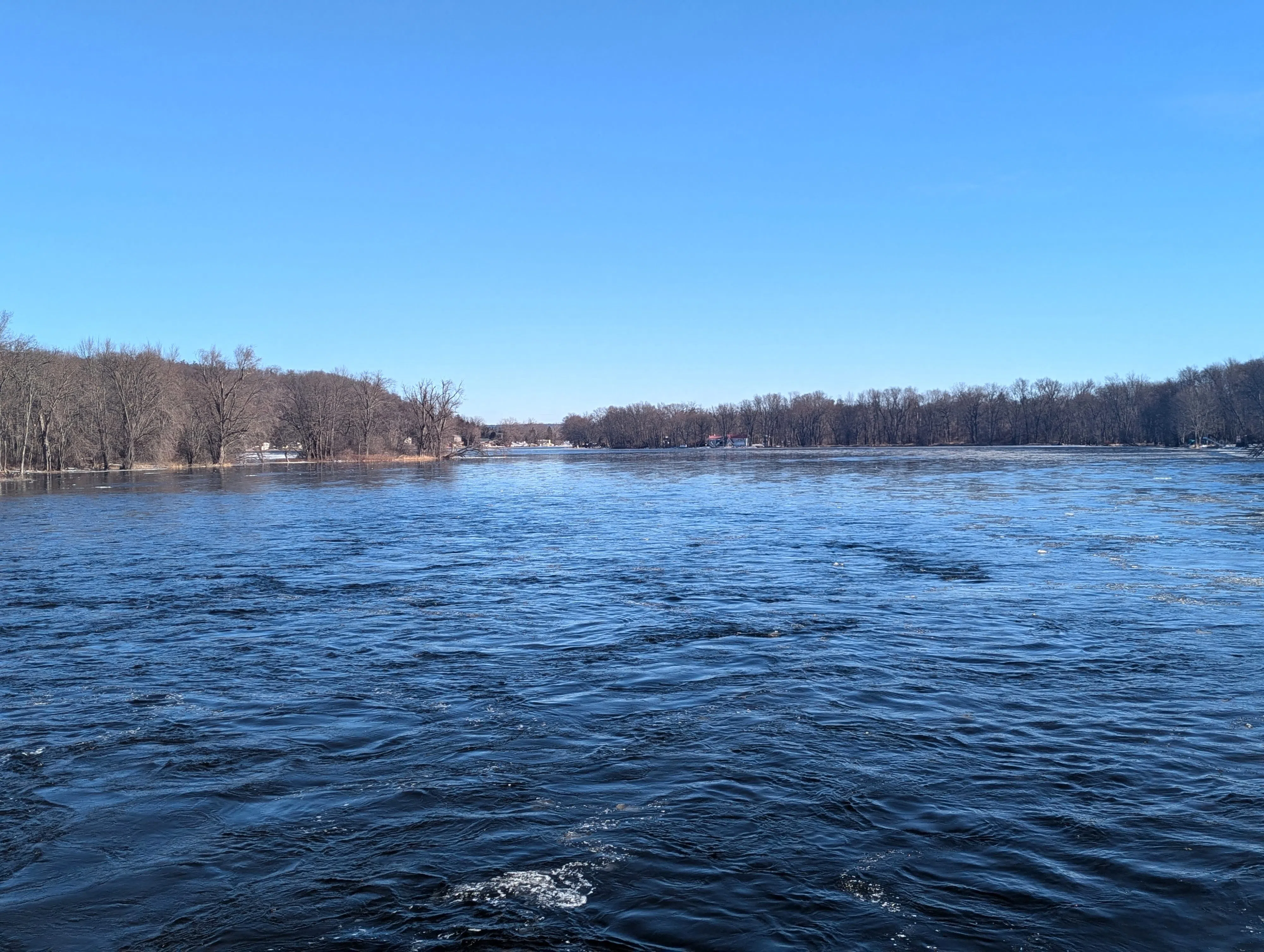
Lower Trent Conservation says a flood warning for Rice Lake and the Trent River from Hastings to Trenton remains in effect.
The conservation authority’s initial flood warning was issued on April 4 – the updated warning is now in effect until April 24 at noon, unless updated sooner.
“The Trent River system is still in full spring freshet. Current water levels and flows are highly elevated and there is a heightened risk to public safety and property damages in flood prone areas,” reads Lower Trent’s latest notice.
Officials added that the flows through the Trent River are being maintained at an elevated rate; however, water levels along the river have stabilized and started to decline.
“Slight reductions in water levels and flows are expected over the next few days.”
However, the forecast over the next five days predicts 15 to 25 millimetres of precipitation and temperatures as high as 15 degrees Celsius.
“It is important to note that there is still snowpack within the northern reaches of the Trent River watershed,” continued Lower Trent. “As a result, it is possible that the forecasted rain and warm temperatures could lead to sustained high flows along the Trent River.
“Although significant increases are not expected, water levels are expected to remain high as high volumes of water continue through the system from the upper region of the Trent River watershed.”
Elevated water levels could cause flooding of driveways, access roads or buildings in low-lying areas. Officials said residents should ensure sump pumps are working and secure personal property such as boats, docks, et cetera, along riverbanks.
Officials are also reminding residents that local municipalities are first to respond to flood emergencies. In a flood emergency and when in danger, call 911.
Lower Trent Conservation continues to also reiterate that while potential dangers presented by rivers, small streams and open ditches never cease to exist, concern is heightened during current conditions.
Kids and pets should be kept away from all waterways and areas around dams, culverts and bridges should be avoided at all times, said officials.
(Written by: Sarah Hyatt)